Face to Face · Two Visions
FACE A FACE - Paul Funck & Marc Kohll
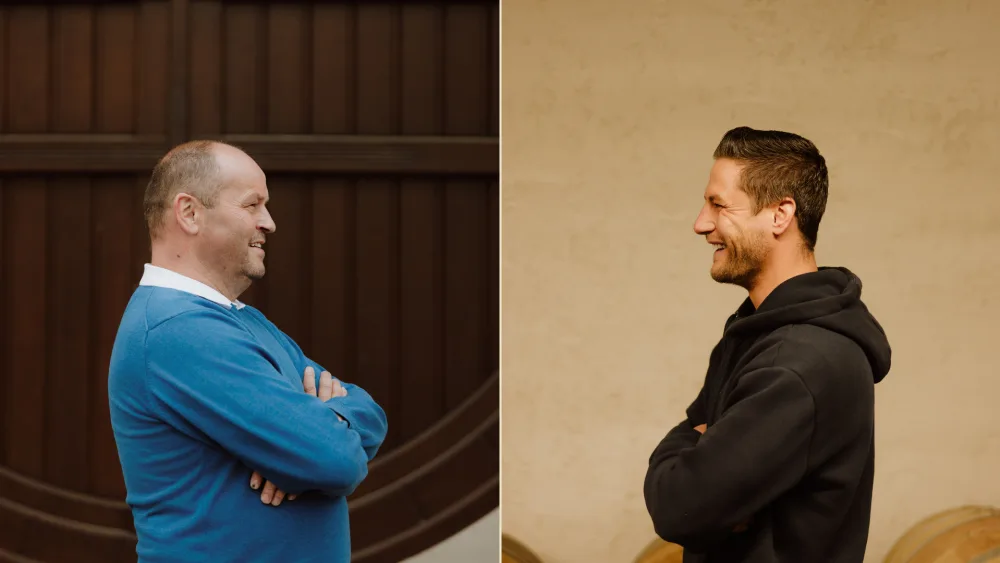
Two perspectives, One passion: Paul Funck and Marc Kohll compare their visions of the profession. An essential dialogue between the commitment of a cooperative winegrower and the entrepreneurial spirit of an independent winemaker.
The Questions
What was the turning point that led you towards your chosen model, whether as a cooperative winegrower or an independent winemaker?
How does this choice influence your daily work, from vineyard management to your overall philosophy of the profession?
Where do you find the greatest freedom within your model?
Looking ahead to future challenges, why is your approach the one best suited to your vision of the profession?
Paul Funck
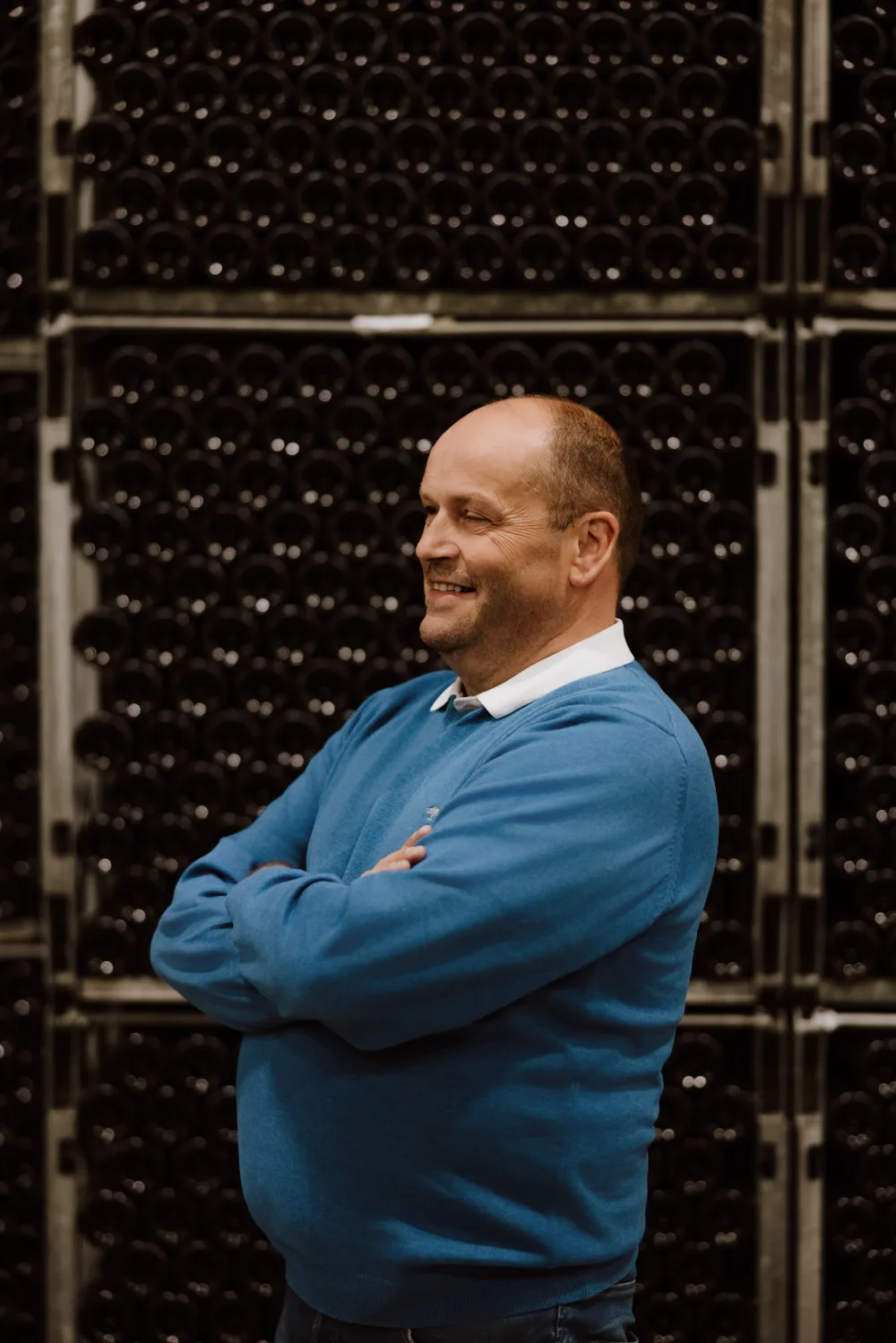
1. From a very young age, I worked the land alongside my parents, developing a passion for viticulture that has guided me throughout my 30-year career. With 15 hectares under cultivation, the cooperative model was the obvious choice. Inspired by my father, I have always wanted to help drive change from within: first as President of the Jongwënzer, then as a member of the Grevenmacher winery committee and later of the Board of Directors of Domaines Vinsmoselle. In the current crisis affecting the sector, our country needs a strong cooperative; its scale is a vital asset, particularly for export markets.
2. Combining hands-on vineyard work with my management responsibilities requires rigorous organisation, but it also gives me a strategic advantage. As President of the Federation and through the information I receive from Brussels, I am able to act proactively. Faced with high labour costs and steep vineyards, my daily work is focused on excellence rather than mass-produced wine. It also motivates me to defend our unique identity: fresh, fruity white wines and Crémant de Luxembourg, whose authenticity has been firmly established over the past 35 years.
3. As a winegrower, my freedom is expressed in the vineyard and in my environmentally responsible choices: no herbicides, organic fertilisation, mixed soil cultivation and predominantly manual harvesting. The cooperative model frees me from winemaking and marketing responsibilities, allowing me to focus entirely on the terroir. The compromise is a human one: since the pandemic, individualism has gained ground at the expense of community spirit. My goal is to revive that sense of solidarity, because we are stronger together.
4. I firmly believe in the added value of our wines and I look to the future with optimism. Wine is a way of life to which younger generations are becoming increasingly receptive once again. Our success is built on innovation, whether through our Vignum range, Poll-Fabaire Crémant, or new products such as alcohol-free wines and Spritzi. The future requires our winegrowers to reconnect with the land: it is our close relationship with nature that ensures the long-term sustainability of the profession. It is also particularly important to me that those who enjoy our wines understand that Domaines Vinsmoselle embodies, first and foremost, the work and passion of its winegrowers.
Marc Kohll
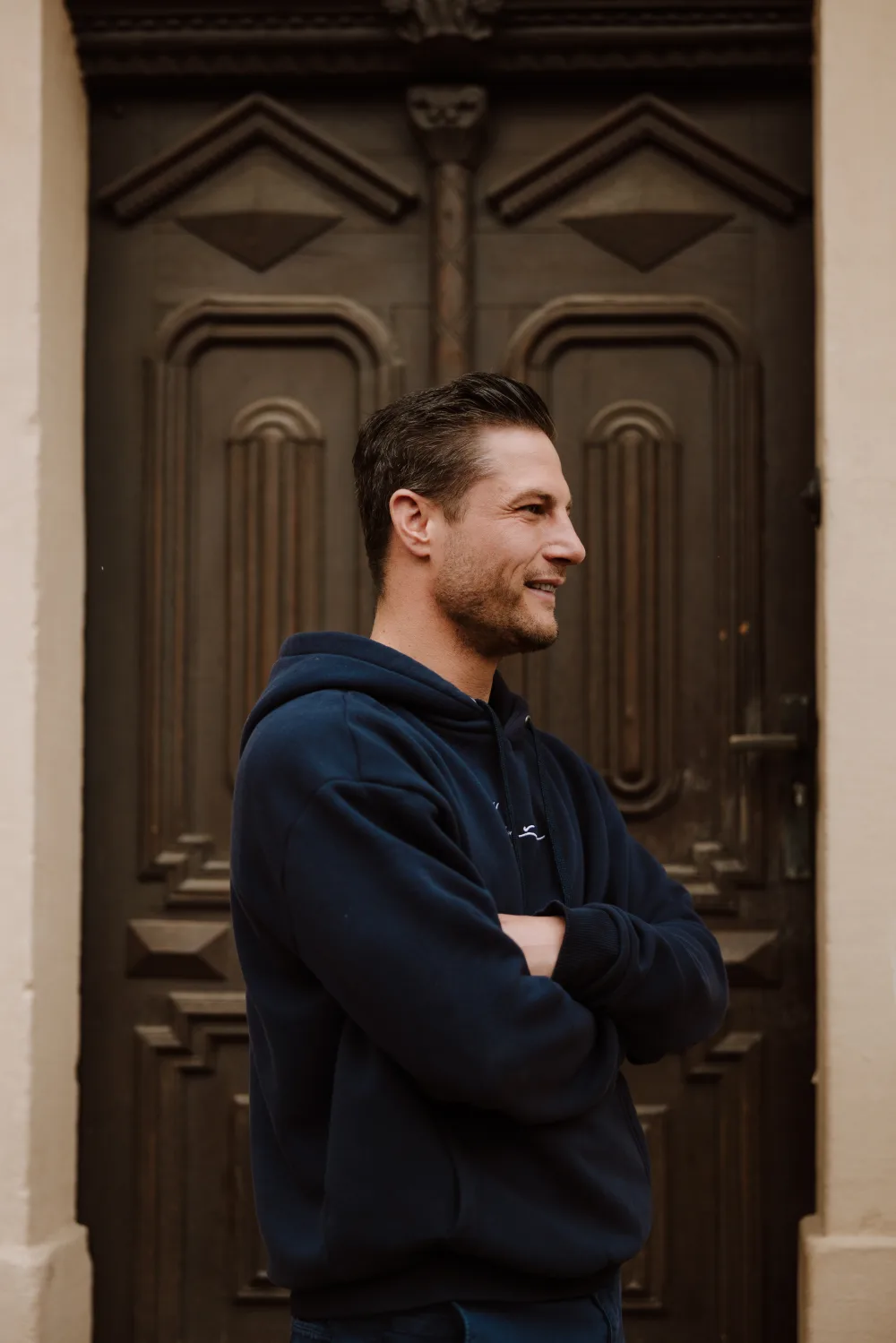
1. In our family, wine has been a tradition since 1714. My grandfather made wine, while my father chose to focus on selling grapes. In 2024, I went back to my roots by renovating our farm and once again producing wine on the estate. The driving force behind this decision was my desire to control quality on every single plot, so that each wine would reflect the signature and character of my own expertise when tasted.
2. Since making this change, my work no longer stops at the doors of the press house. In the vineyard, faced with increasingly frequent droughts, I invest heavily in soil health through compost and diverse cover crops to retain water and nourish the vines naturally. In the cellar, I spend long hours overseeing the fermentations. Carrying the identity of Domaine VitiKohll and managing its marketing have become full-time responsibilities in their own right. It is a complete reorganisation of my work—intense, but incredibly rewarding.
3. My freedom lies in shaping, within our 45,000-litre winery, a range of wines focused on expressing the purity of the terroir: from fresh, light wines such as our rosé, Pinot Gris and Kohllibri white cuvée, to premium wines aged on lees or in oak barrels, including Riesling, Pinot Blanc, Chardonnay and Crémant. My greatest pride is my barrel-aged Auxerrois from the Wintrange Felsberg vineyard site, a plot of vines more than 40 years old where I worked alongside my parents. Bringing this story back to life and receiving such positive feedback has confirmed that taking the leap was worth the effort. On the other hand, the administrative workload has increased dramatically. I had to manage the winemaking process while supervising 16 harvest workers, and the investment in equipment—press, tanks and filtration systems—remains a significant mental burden.
4. Being an independent winemaker gives me the agility to showcase and enhance the value of my terroir in response to market demands, while building a stronger future for the estate. It is both a strategic and deeply human choice, one that allows me to create real added value and provides an immense source of personal fulfilment. With this estate, I have achieved exactly the goal I set for myself.