Craftsmanship · Diedenacker Distillery
L'art de distiller le terroir, de l'alambic à la ferme
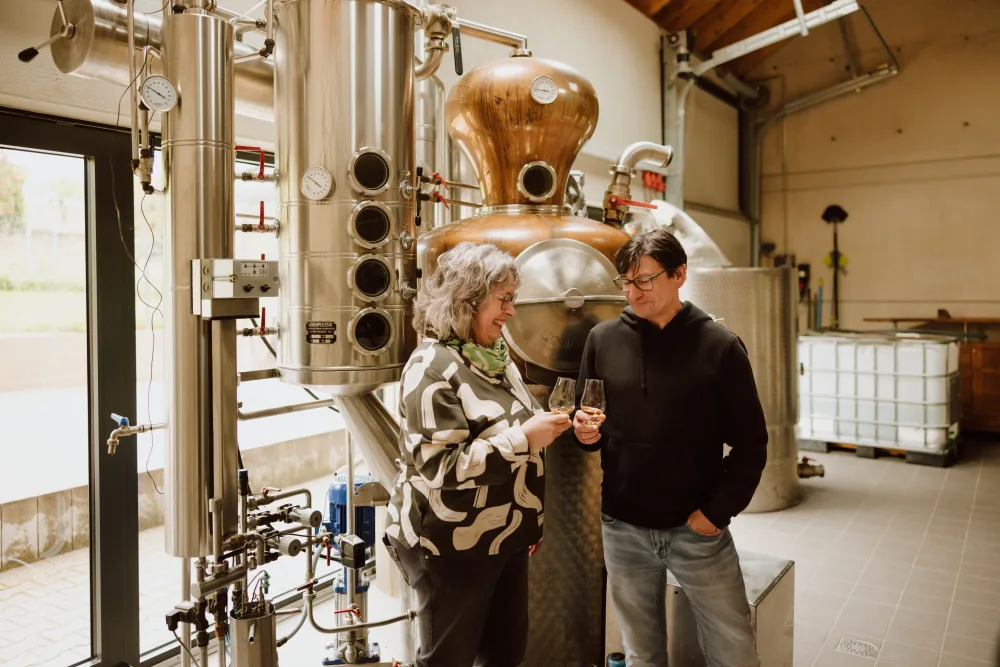
The art of distilling the terroir – From the still to the farm
We met with Mariette Duhr-Merges in Niederdonven, where she welcomed us to Diedenacker Distillery, a place where the art of distillation and the transmission of agricultural knowledge come together to celebrate Luxembourg's terroir.
How did your passion for distillation begin?
Our family has been distilling since 1862. Over six generations, tradition and innovation have gone hand in hand. While everything began with farming, my father-in-law, Nicolas Duhr, marked a turning point in the 1960s by introducing bottling. We carry this heritage forward with the responsibility of preserving ancestral know-how while adapting it to contemporary tastes. Each generation has contributed its own chapter, transforming the original farm into a renowned distillery without ever losing its family spirit. For us, distillation remains above all a craft of transmission and continuity.
What defines the identity of your spirits?
The identity of our spirits is built on patience and short supply chains. The apples come from our own orchards, as do the mirabelle plums, some of which are sourced from regional trees and harvested at optimal ripeness. We practice slow distillation, followed by a minimum of twelve months of maturation in stainless steel or wooden casks, allowing the aromas to develop and harmonise naturally. Rather than focusing on yield, we strive to express the terroir in its purest form, creating spirits of remarkable finesse and intensity.
What is the essence of your range and your latest innovations?
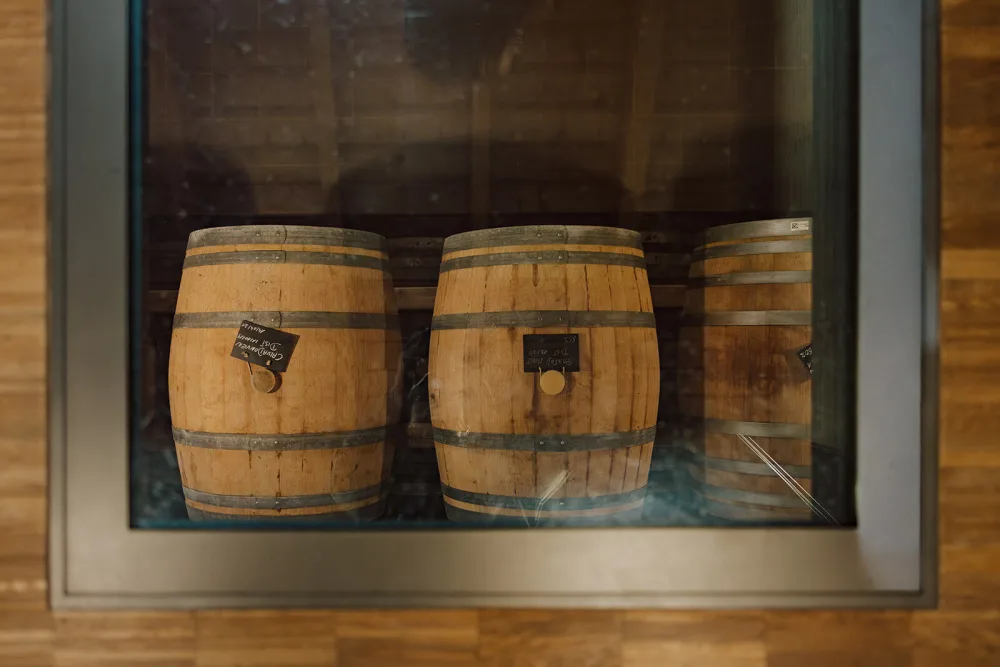
Our range includes fruit brandies, seasonal fruit liqueurs, gin and whisky, of which we were among the pioneers in Luxembourg. While classics such as Mirabelle and Williams pear remain essential, we continuously innovate, most recently with our new rum. Distilled on-site from Brazilian molasses, it is matured for four years in barrels that previously contained rum from Barbados. The wood, already infused with rum, contributes delicate vanilla notes. In every bottle, our priority remains the balance that highlights the authentic character of the raw ingredients.
What motivated you to open your estate to the public through an educational farm?
As we noticed that younger generations are gradually losing their connection to the land, we created this living place of learning and transmission. It gives us the opportunity to share and promote the continuity of the farming profession: a demanding daily life driven by a passion that we hope to pass on to future generations. Our goal is to reconnect people with the rhythm of the seasons, respect for animals and the origins of the food we consume.
What message would you like visitors to take away?
We welcome school groups and social organisations to raise awareness of agricultural work, which forms the foundation of our food system. We want visitors to discover the circular nature of our farm: here, everything is connected, from livestock farming to fruit cultivation, with complete respect for the environment. We hope that everyone leaves with a better understanding of the importance of supporting a local and sustainable economy, where every resource is valued.
What does a visit to the farm look like?
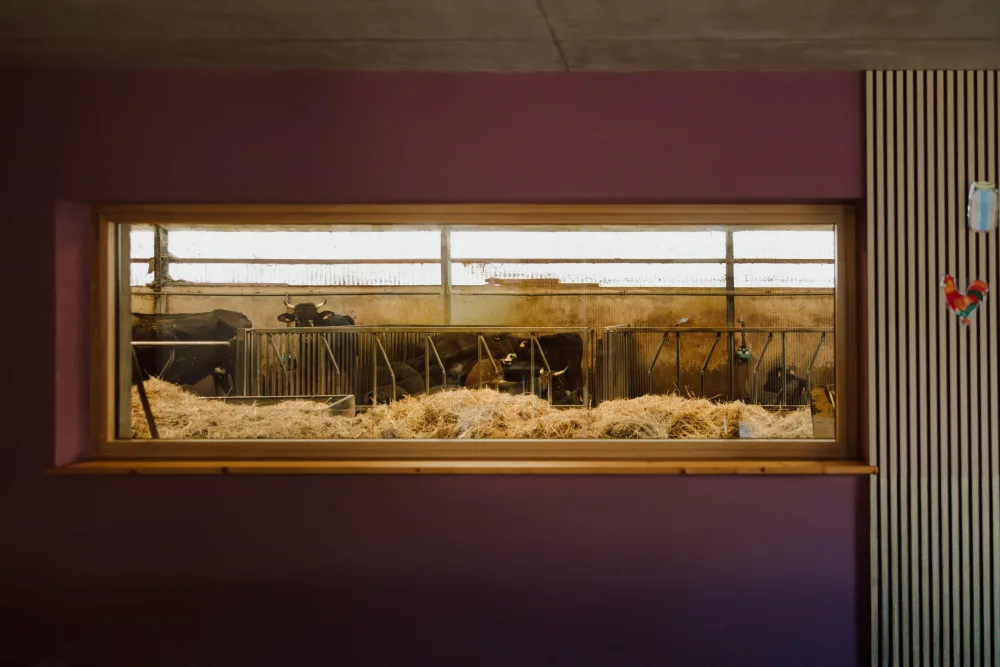
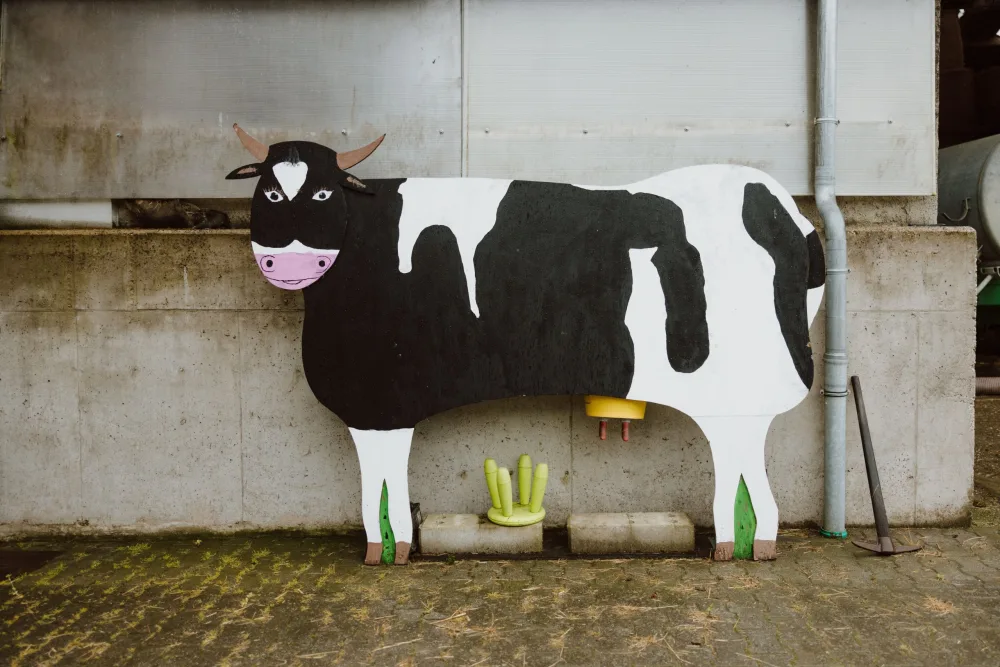
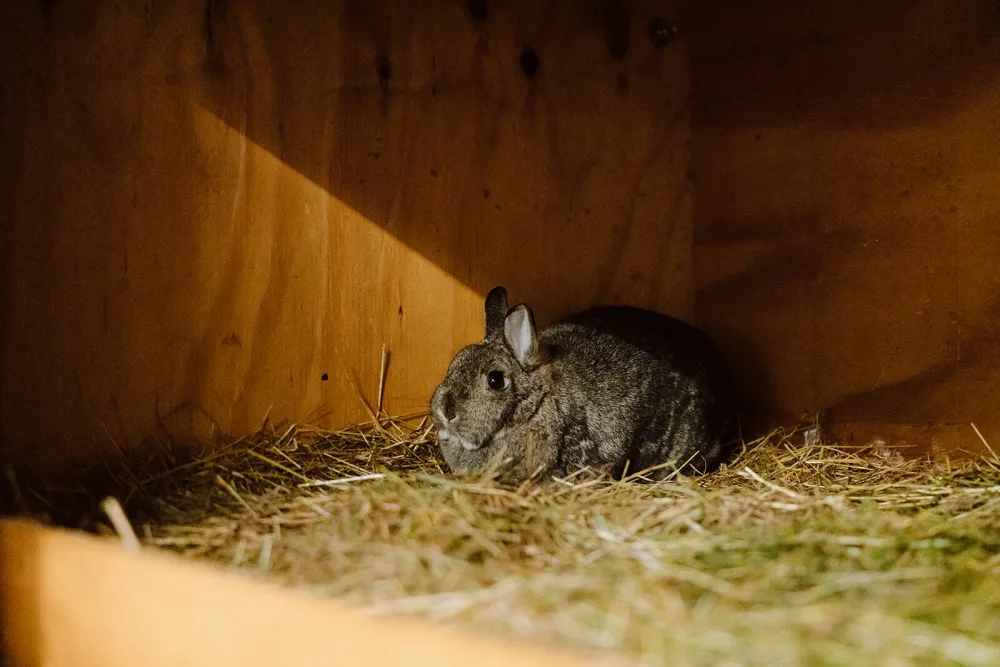
Visitors enjoy a sensory experience adapted to their age group. While adults follow the entire production cycle—from orchard management to the final spirit—children learn through hands-on activities at the heart of the farm. Depending on the season, we offer workshops ranging from harvesting fruit and pressing apple juice to caring for the animals. Younger participants even apply knowledge from school, such as mathematics, when calculating ingredient quantities. This interactive approach transforms learning into a lasting and memorable experience.
How do the distillery and the farm complement each other in everyday life?
Both activities are united by the same respect for nature, cultivated without the use of pesticides. We favour traditional, artisanal methods. Our apples are harvested using a time-honoured technique: the fruit is gently knocked from the trees onto nets using wooden poles. The apples are then carefully sorted and collected by hand. The farm helps visitors understand the value of this authentic work, while the distillery transforms these healthy fruits into exceptional products. It is a virtuous cycle in which education and tasting tell the same story—the story of a preserved terroir.