Feature · Crémant
35 Years of Luxembourg Crémant
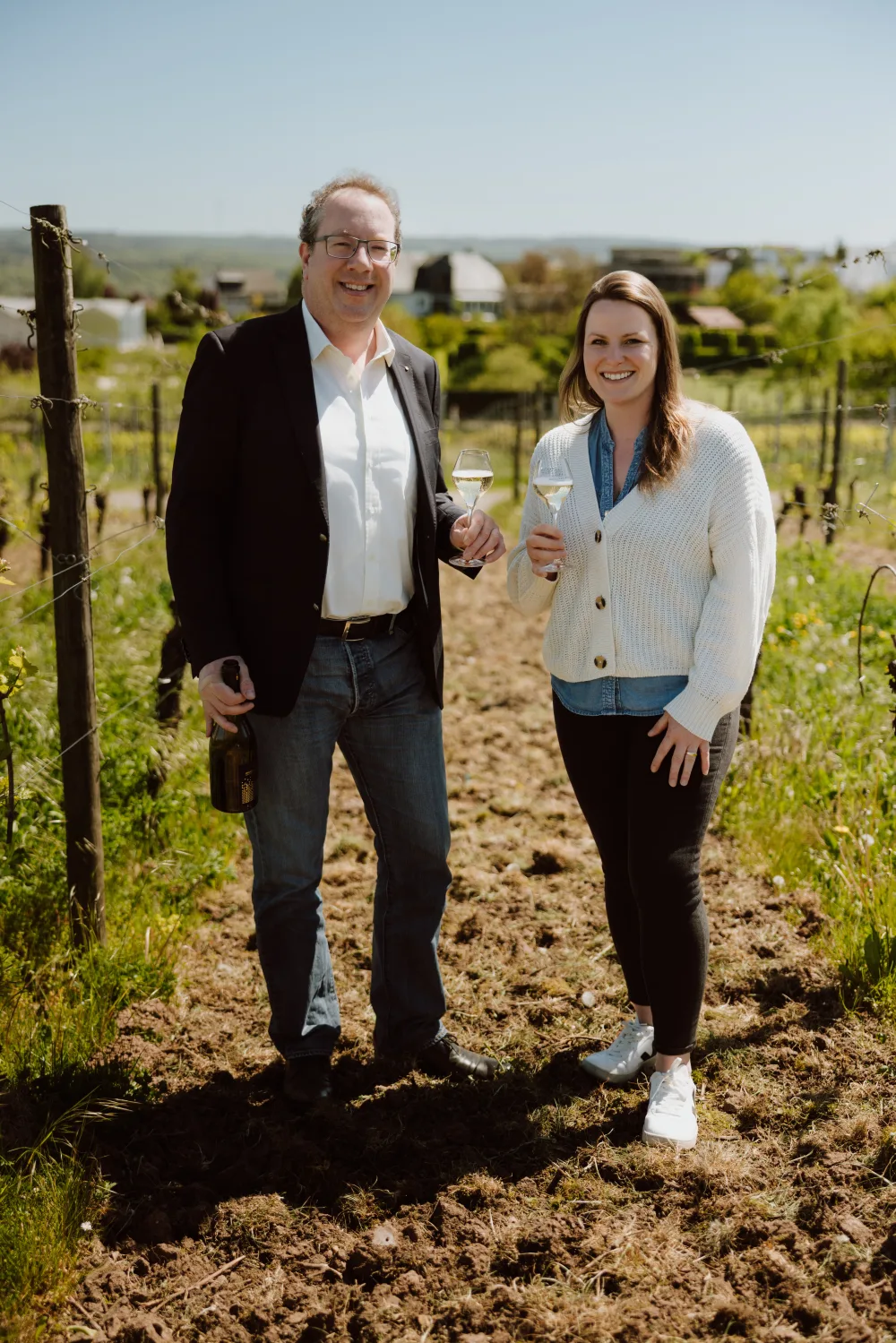
Fruity, lively, pleasantly sparkling on the palate and bringing people together during celebrations: the “Kippchen” is an essential part of every festive occasion in Luxembourg. Thirty-five years ago, the success story of Luxembourg Crémant began, and today it holds a stronger place than ever in the country’s social and cultural life.
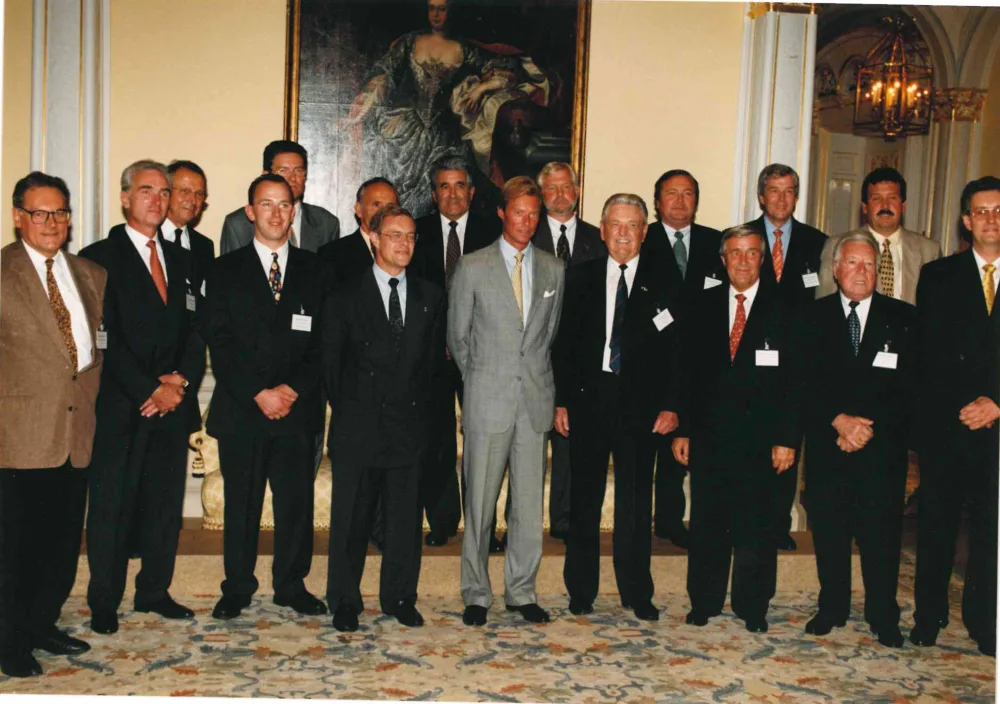
It is a true success story, as few “Made in Luxembourg” products enjoy the popularity of Luxembourg Crémant. This November, the sparkling wine celebrates its 35th anniversary. There may be no major official celebration, but there are countless memories to look back on, as Luxembourg’s beloved “Kippchen” is present at almost every important occasion. The foundations for this then-new product were laid with the introduction of the National Quality Label for Luxembourg sparkling wines in 1988. “That was the first official step that gave us a platform to enter the world of Crémant,” says Paul Thill, wine inspector at the Institute of Viticulture and Oenology (IVV).
Until the early 1990s, the designation “Crémant” for controlled-origin sparkling wines existed only in France. On 15 November 1991, Luxembourg Crémant was launched on the market for the first time. “It all started with 227,000 bottles, which sold out within just a few months. By 2014, we had surpassed the three-million-bottle mark,” recalls Thill.
Produced using the traditional Champagne method with secondary fermentation in the bottle, Luxembourg Crémant is truly unique. While all other Crémants are named after their respective regions, Luxembourg Crémant represents an entire country. “Production naturally follows clearly defined regulations, but it also incorporates Luxembourg’s own expertise and the unique fact that the country has only one wine-growing region,” explains Thill.
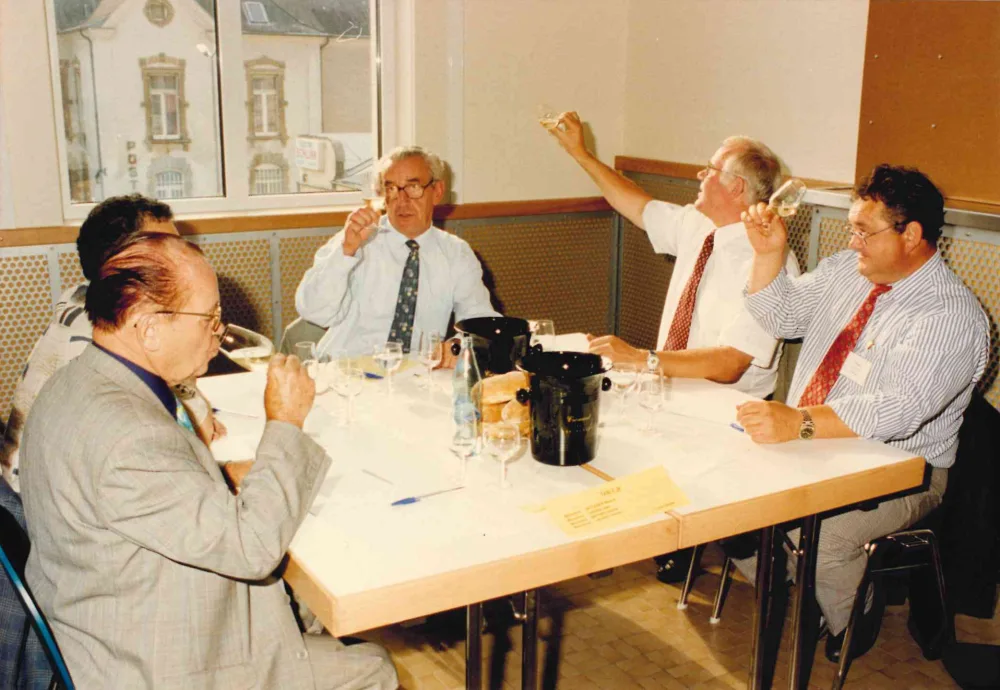
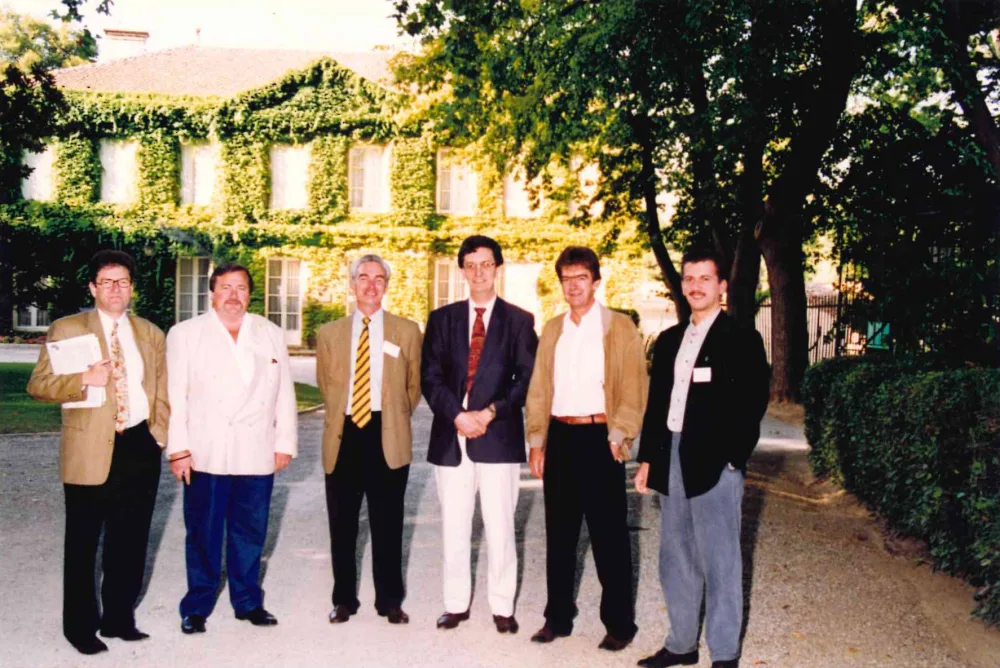
The selected grape varieties, vineyard soils, and above all the final touch of each producer have shaped Luxembourg Crémant into what it is today: a refreshing sparkling wine, perfect as an aperitif, distinguished by a lightness that sets it apart from many other sparkling wines. The first producers were Domaines Vinsmoselle, Domaine L&R Kox, Kohll-Reuland Winery, Caves Desom, and Domaine Mathes. “Today, every winemaker produces their own Crémant. While it represents only about one-third of total production, it accounts for roughly half of annual turnover,” says Claire Sertznig, project manager at the IVV.
At the beginning, no one knew Crémant would become such a success. “There was some uncertainty because it is an expensive product to make and requires significantly more storage space,” Thill explains. Thanks to marketing campaigns by major producers and administrative support from partners in Alsace, even the sceptics were eventually convinced. Today, Luxembourg Crémant is an integral part of the country’s culture. “Consumer acceptance was remarkable. The word ‘Kippchen’ has truly become part of our language, highlighting the product’s importance” says Sertznig.
Whether among friends and family or during major national events such as the recent change of reign or the LUGA Garden Exhibition, a bottle of Crémant is rarely opened alone. That is precisely what defines its character. “People associate it with events, emotions, and life’s beautiful moments,” says the IVV project manager.
Special cuvées are often created for major occasions, further contributing to the product’s success. The Millennium Crémant released around the year 2000 and the Blue Crémant created for the European Capital of Culture 2007 were particularly popular. More recently, Crémant Rosé has won the hearts of many consumers and perfectly complements the range.
This year’s highlights include not only the 35th anniversary of Luxembourg Crémant but also the 35th National Crémant Competition of France and Luxembourg, which was hosted in the Grand Duchy for the fourth time on 16 April. The event is a source of great pride for Luxembourg. According to Paul Thill, the secret behind this success is the combination of outstanding quality and exceptional value for money. “From next year onwards, at the request of winemakers, the minimum ageing period on lees will be extended from nine to twelve months, which will further enhance quality,” he reveals. One thing is certain: Crémant is much more than just a drink. It is a small luxury to be enjoyed from time to time and one of the flagship products that define Luxembourg’s wine industry today.
“Consumer acceptance was remarkable. The word ‘Kippchen’ has truly become part of our language, highlighting the product’s importance”
Happy 35th Birthday, Luxembourg Crémant!